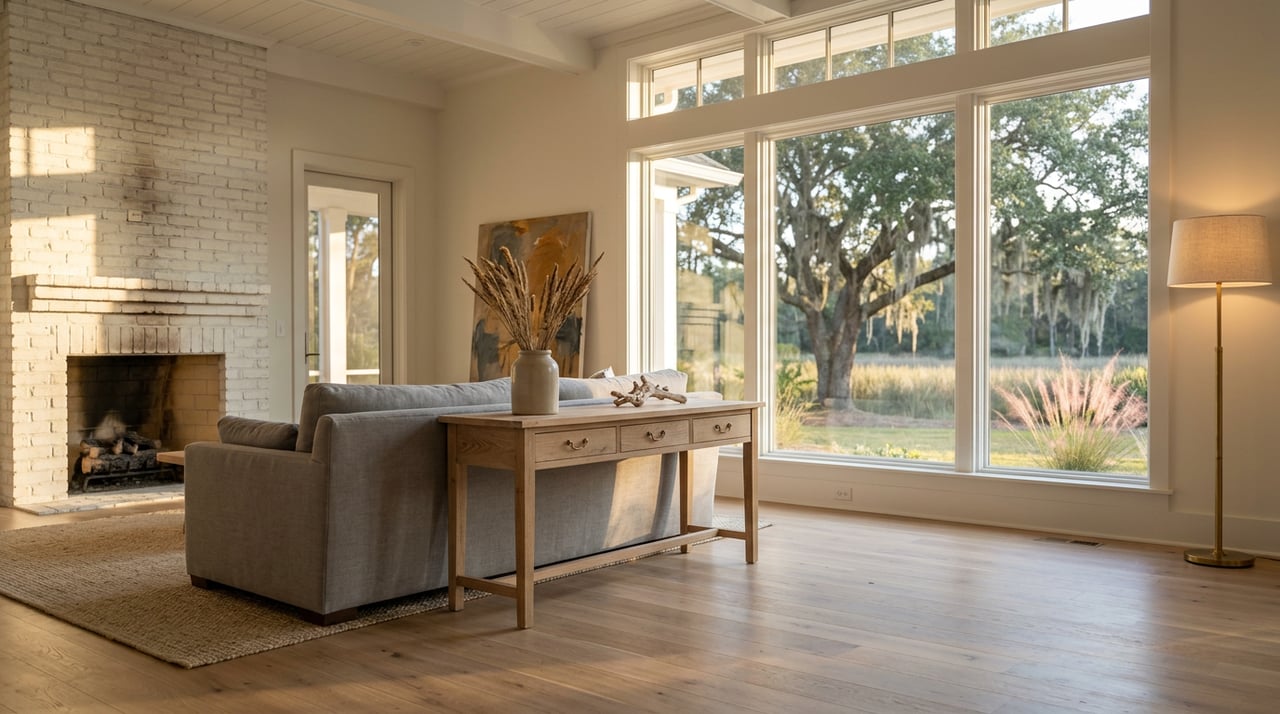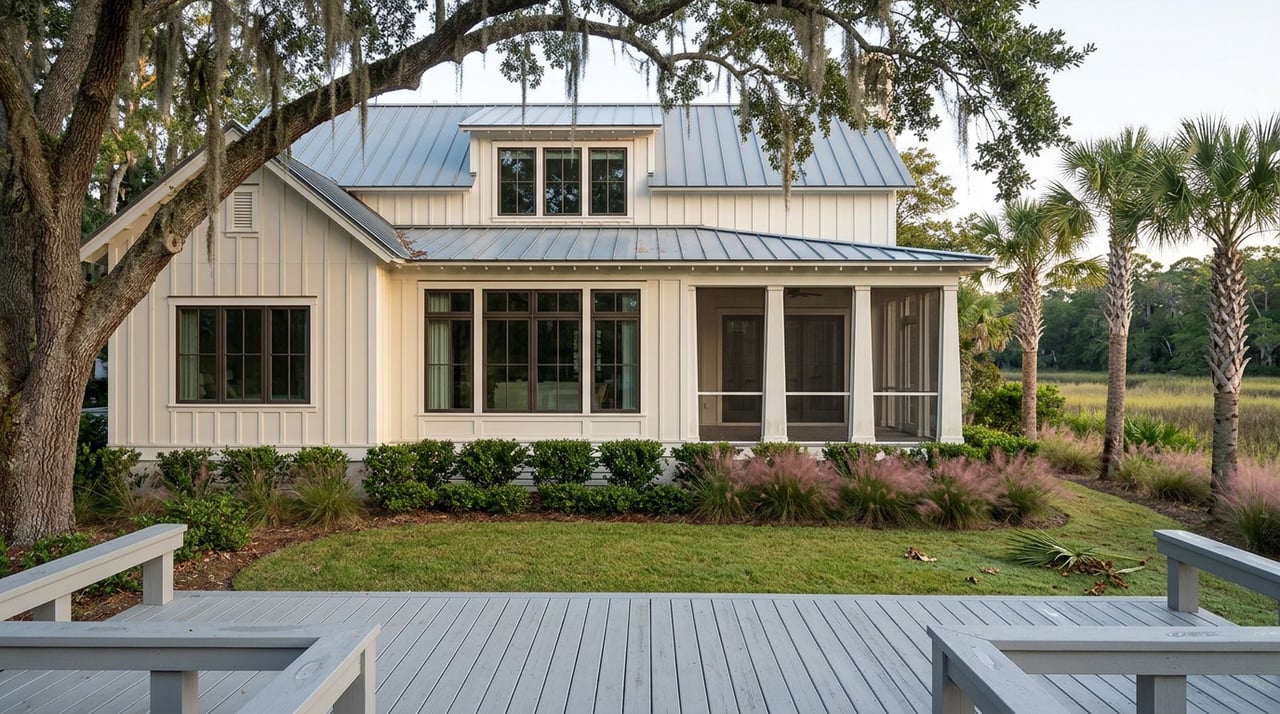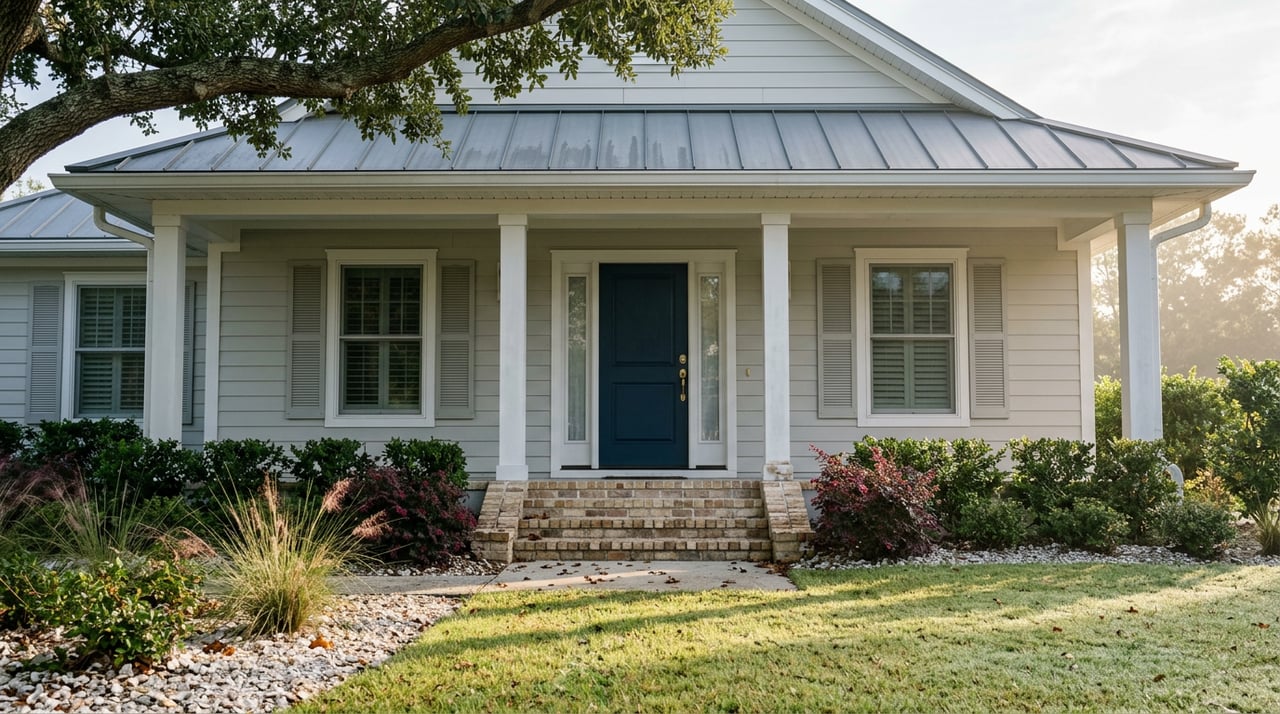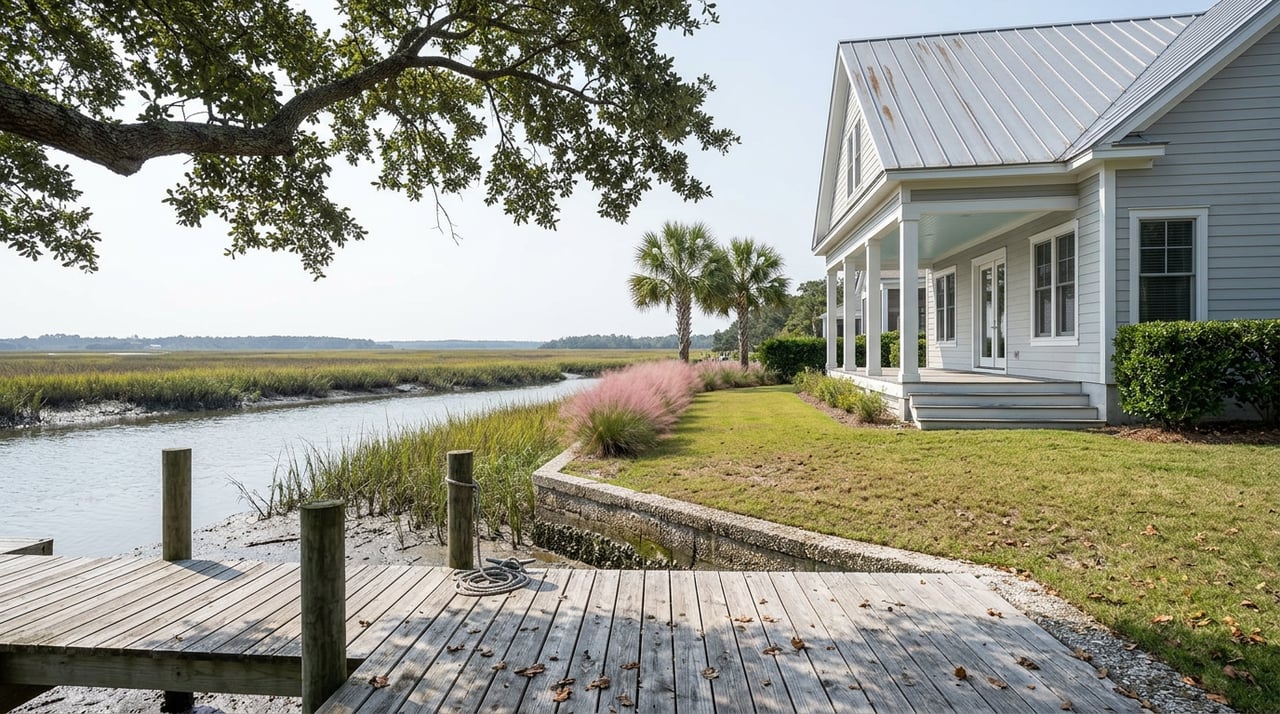
If you picture life in Masonboro Sound, you probably picture the water first. That instinct is right, because boating is not just a weekend hobby here. It shapes how many buyers judge a home, a lot, and even the day-to-day ease of living near the coast. If you are trying to buy in this area, understanding that boating lifestyle can help you make a smarter choice from the start. Let’s dive in.
Why boating matters in Masonboro Sound
Masonboro Sound has a different relationship to the water than many coastal areas. Masonboro Island Reserve, located about five miles southeast of Wilmington, is a boat-access-only barrier island bounded by the Atlantic Ocean, the Intracoastal Waterway, Masonboro Inlet, and Carolina Beach Inlet. The reserve covers 5,653 acres and remains the largest undisturbed barrier island along the southern North Carolina coast.
That matters because the local market is shaped by real, regular boat use. When one of the area’s signature natural destinations is only reachable by boat, buyers naturally pay closer attention to how quickly they can launch, store gear, and get underway. In Masonboro Sound, water access is often part of the home search from day one, not an afterthought.
Public access also plays a meaningful role. New Hanover County lists boating and paddling access at places like Trails End Park, River Road Park, Smith Creek, and Pages Creek Park Preserve, while Carolina Beach State Park’s marina provides access to Masonboro Sound, the Cape Fear River, and the Atlantic Ocean. County planning materials also support shorefront and boat access as a long-term land use priority, which reinforces how central water access is to the area.
Home features boaters notice first
If boating is part of your lifestyle, the most important home feature may be simple: how fast you can get on the water. A property with a dock, boat slip, lift, or direct navigable-water access can save time and reduce friction every time you head out. For many buyers, that convenience carries more weight than cosmetic upgrades.
If a home does not offer private water access, the next question is usually proximity to a public launch. Trails End Park, for example, has a boat ramp for kayaks or boats 22 feet or less and sits close to Masonboro Island. That size limit can matter a lot, so the right home for one buyer may not work for another depending on the type of boat you plan to use.
Parking and storage also deserve more attention than they often get. A home may look ideal online, but if it lacks room for a trailer, wet gear, or easy loading and unloading, the boating lifestyle can quickly feel less convenient. In this part of New Hanover County, practical function often matters as much as the view.
Dock access is not a casual detail
In coastal North Carolina, adding or changing water-access features can involve more steps than buyers expect. New Hanover County notes that CAMA minor permits may be required for development in or on waters, marshes, wetlands, within 75 feet of the normal high-water line, and in other coastal areas. The county also states that adjacent riparian owners may need to be notified and that the local permit officer reviews the project under local and state standards.
That means an existing dock or lift can be especially valuable when it is already lawful and functional. If you are looking at a property and thinking you can always add a dock later, it is wise to slow down and verify what is actually possible. The path can depend on the project type, location, and shoreline conditions.
North Carolina’s riparian-rights framework also matters here. According to NC DEQ, waterfront owners have use rights tied to the natural flow of the water, subject to reasonable use by other riparian owners and applicable regulation. In practical terms, lot width, setbacks, shoreline configuration, and access history can all affect what a waterfront lot can realistically support.
Lot choices can change your boating routine
Not all waterfront lots work the same way. In Masonboro Sound, the most useful boating property is often the one that supports your routine with the least hassle. A home with a manageable dock path, practical parking, and an easy route to your preferred launch area may outperform a more visually dramatic lot that is harder to use.
This is where buyers benefit from thinking beyond the listing photos. Ask yourself how you would actually move through the property on a normal Saturday. Where would you park, store gear, clean up, and come back in after a long day on the water?
Some homes make that rhythm easy. Others create friction at every step. Over time, that difference can shape how much you enjoy the property and how well it fits your lifestyle.
Flood risk should be part of the search early
In a waterfront market, flood due diligence is not optional. New Hanover County warns that floods can result from coastal storms and storm surge, and it also notes that homeowners insurance typically does not cover flood damage. The county provides flood maps and floodplain resources, and it states that more than 20 percent of flood claims occur outside the high-risk flood zone.
That is why flood zone, elevation, drainage, and insurance questions should come up early, not after you are emotionally committed to a home. A property can look perfect for boating and still carry meaningful long-term cost or risk considerations. Coastal buyers are usually best served when they review these details before they write an offer.
Floodplain rules can overlap with coastal permitting rules, which adds another layer of due diligence. If a property has a dock history, prior improvements, or future plans for shoreline work, those details should be reviewed carefully. In Masonboro Sound, shoreline property is regulated, and that affects both use and value.
Historic character adds variety to the market
Masonboro Sound is not a one-style housing market. State preservation documentation describes the Masonboro Sound Historic District as an area with nineteenth- and early twentieth-century resort cottages and later permanent dwellings along the sound edge near Masonboro Sound Road and Magnolia Drive. That mix helps explain why buyers may see older cottages, renovated homes, and larger rebuilds in the same broader area.
For buyers, that variety creates both opportunity and tradeoffs. A smaller historic home may offer charm, location, and a strong connection to the area’s coastal identity. A newer or rebuilt property may offer a layout that works better for gear storage, frequent arrivals, and everyday boating use.
Neither option is automatically better. The right fit depends on how you plan to use the property, how much maintenance you are comfortable with, and whether convenience or character matters more in your next chapter.
Water quality affects more than boating
If you want a home that supports paddling, swimming, or other water activities in addition to boating, water quality should still be on your radar. NC DEQ’s recreational water-quality program monitors 221 coastal sites and issues advisories when bacteria levels exceed standards. In other words, access to the water does not always mean every activity is ideal at every moment.
That does not make the lifestyle less appealing. It simply means buyers should think about the full picture of how they want to enjoy the water. If your ideal day includes boating to Masonboro Island, launching a kayak, and spending time near the shoreline, it helps to understand the local conditions that can affect those plans.
A smart Masonboro Sound buyer checklist
If boating is a major reason you are moving here, a clear process can help you compare homes more effectively. Before you fall in love with the finishes, focus on the features that will shape real use.
Here are five smart questions to ask during your search:
- What is the launch route? Confirm how you would actually access the water and how long it would take.
- Are dock or lift rights documented? Verify what exists, what is permitted, and what transfers with the property.
- What is the flood situation? Review flood zone, elevation factors, and likely insurance needs early.
- Are there past permits or shoreline approvals? Ask about any CAMA-related records tied to the property.
- Does the layout fit your routine? Think about parking, storage, cleanup, and the flow of daily life around boating.
These details may not be the flashiest part of a home search, but they often make the biggest difference once you own the property.
Why this lifestyle influences long-term demand
Masonboro Sound’s boating identity is not a passing trend. The area’s access to water, connection to Masonboro Island Reserve, and longstanding coastal character continue to attract buyers who want a second home, a move-up property, or a full-time coastal lifestyle. County planning support for public shorefront and boat access also reinforces that water-oriented demand is part of the area’s long-term framework.
Properties tend to stand out most when they combine lawful water access, practical parking, and a layout that supports coastal living. On the other hand, homes that require major permitting work or awkward day-to-day workarounds may be less appealing than they first appear. In this market, convenience often holds real value.
If you are weighing your options in Masonboro Sound, the best move is to look at each home through the lens of how you will actually live in it. A boating lifestyle can be incredible here, but the right property is the one that makes that lifestyle easy, realistic, and enjoyable over time.
If you want help comparing waterfront, water-access, or near-launch properties in Masonboro Sound, Joel Sheesley can help you evaluate the practical details that matter just as much as the view.
FAQs
How does boating affect home values in Masonboro Sound?
- Boating can influence buyer demand because many purchasers prioritize quick, reliable water access, existing docks or slips, and proximity to launch points that fit their boat size.
What should buyers check about docks in Masonboro Sound?
- Buyers should confirm whether a dock, lift, or other shoreline feature is lawful, whether permits exist, and whether any future changes may require CAMA review or neighbor notification.
Are public boat launches available near Masonboro Sound?
- Yes. New Hanover County lists access points including Trails End Park, River Road Park, Smith Creek, and Pages Creek Park Preserve, and Carolina Beach State Park’s marina also provides boating access to surrounding waters.
Why does flood risk matter for Masonboro Sound homes?
- Flood risk matters because coastal storms and storm surge can affect properties, homeowners insurance typically does not cover flood damage, and flood-related costs can influence long-term ownership.
What types of homes will buyers find in Masonboro Sound?
- Buyers may find a mix of historic cottages, renovated homes, and larger rebuilds, especially in the broader area connected to the Masonboro Sound Historic District.
Is a waterfront lot always the best choice for boaters in Masonboro Sound?
- Not always. The best lot is often the one that makes boating easier through workable access, parking, storage, and a practical route to the water, not just the one with the best view.