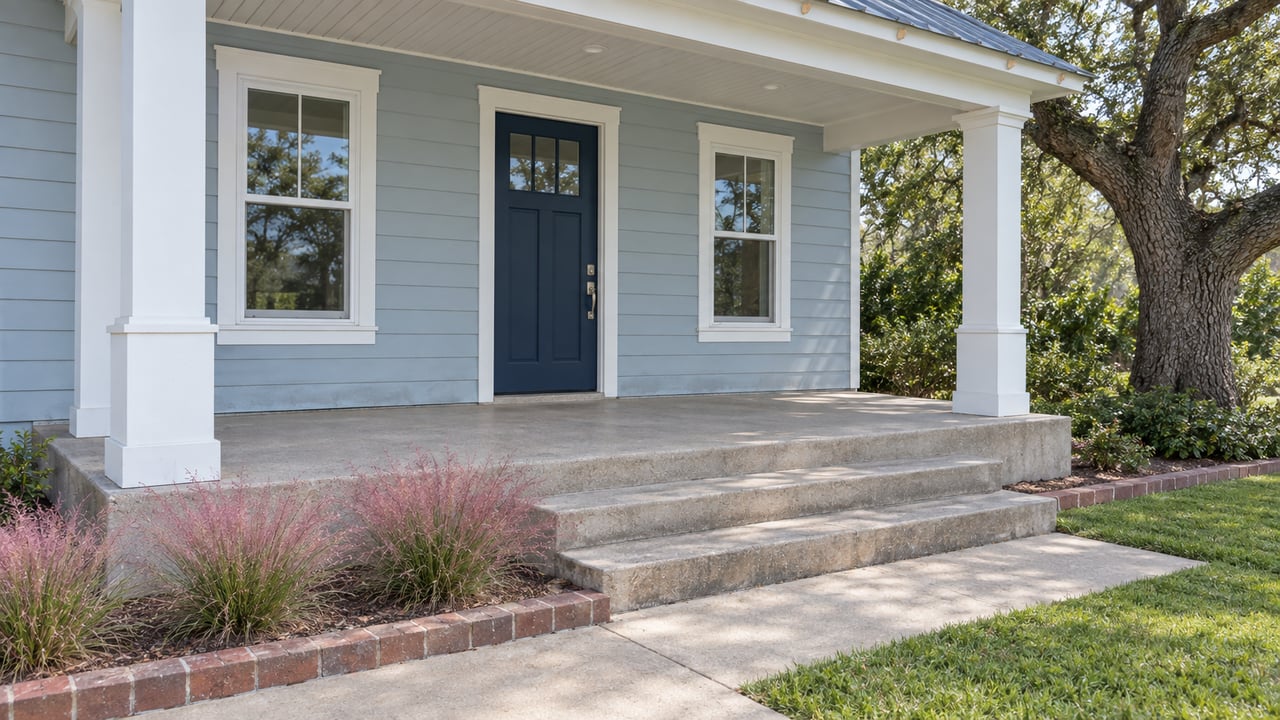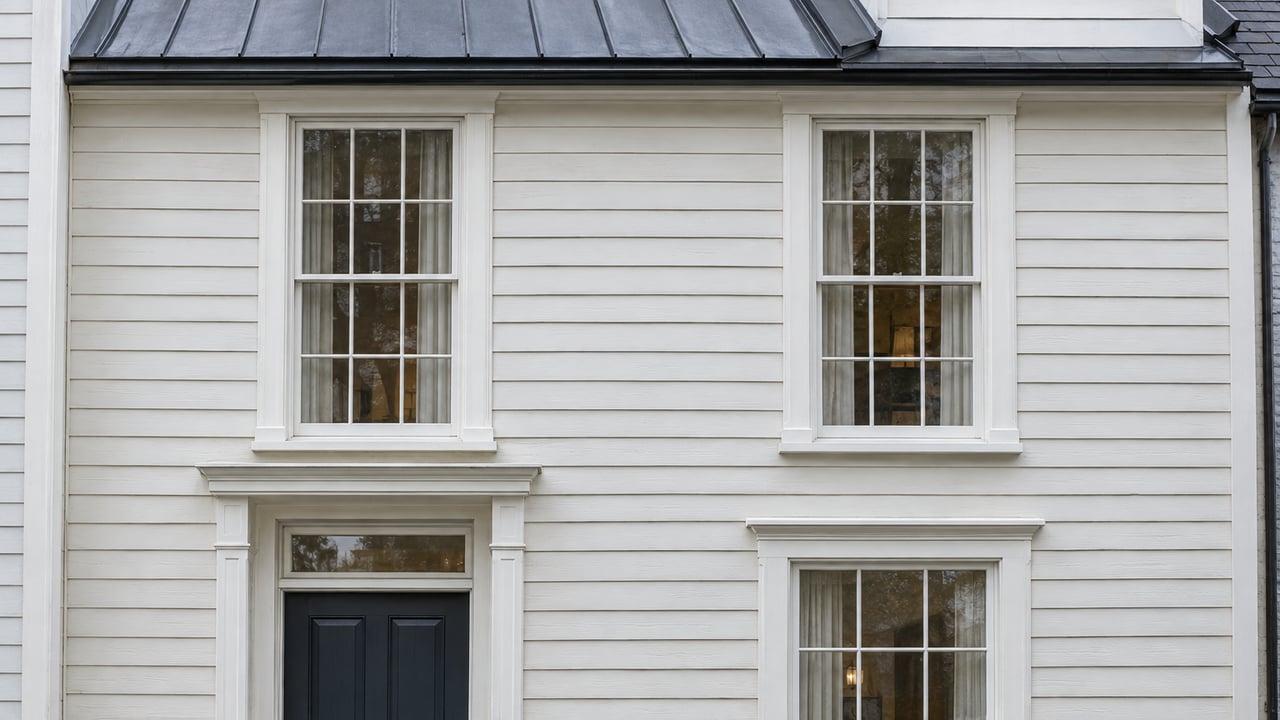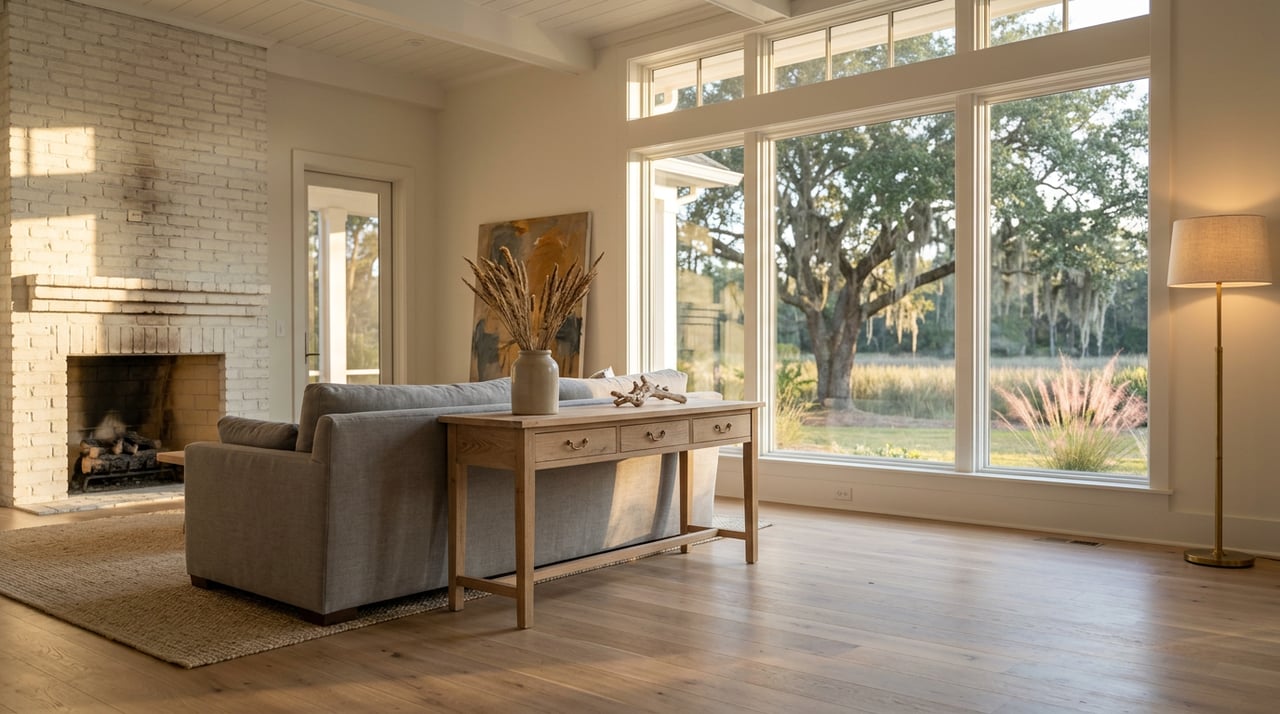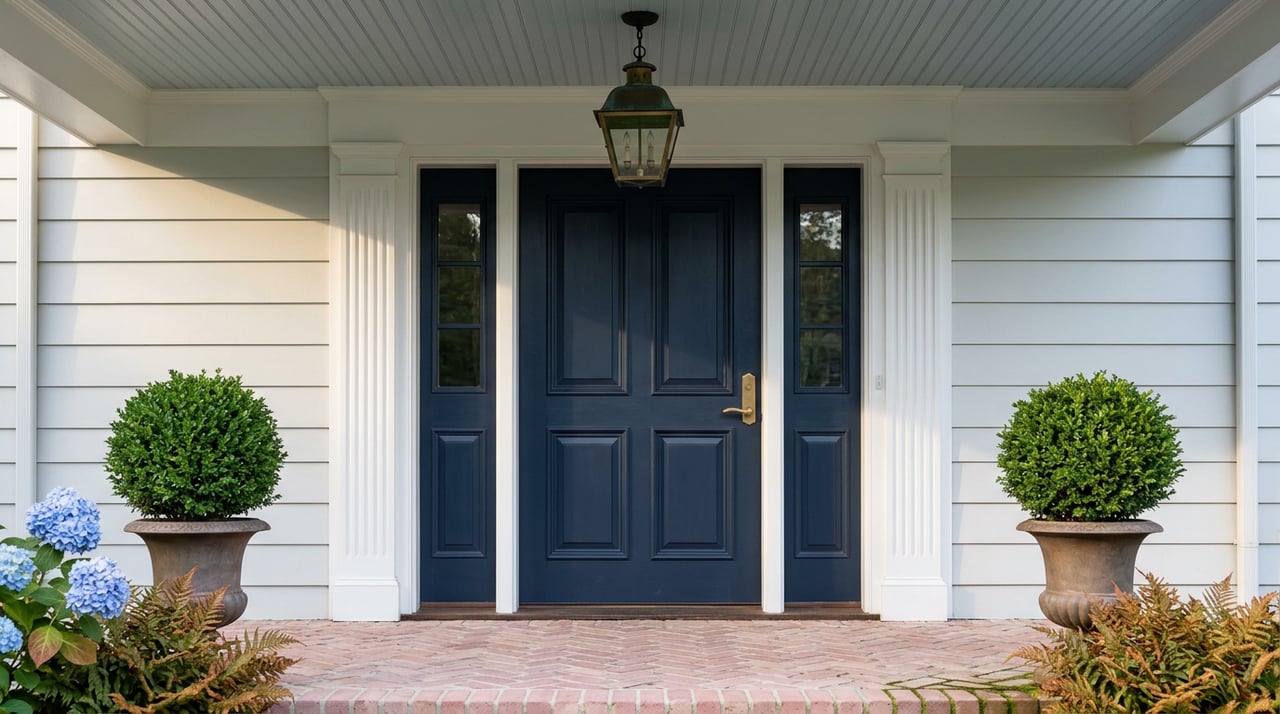
A buyer pulls up two Landfall listings priced within $50,000 of each other. Same square footage, same year built, same three-minute drive to the main gate. The HOA fee field on one shows $4,300 a year. The other shows $9,800. Nothing on the listing explains why, and the buyer's agent, if unfamiliar with the community, might not know either.
The answer is that Landfall was never built as one homeowners association charging one fee. It's a 2,200-acre community governed by a base Council of Associations, with roughly two dozen separate sub-associations layered on top, each running its own budget, its own reserves, and its own dues. Add to that a country club that residence does not automatically include, currently running a multi-year wait for its most popular membership tier, and the sticker price on a Landfall home turns out to be the easiest number to find and the least useful one to act on.
The Base Fee Is the Floor, Not the Full Cost
Every homeowner in Landfall pays into the Council of Associations, the entity that funds the staffed security gates, common-area landscaping, and the private road network. Current estimates put that base fee somewhere in the range of $4,100 to $4,300 a year, which is the number most listing sheets will show if they show anything.
What the listing sheet often won't spell out is that this base fee sits underneath a second, address-specific layer. Landfall is subdivided into roughly two dozen distinct sub-associations, each with its own board and its own dues on top of the COA number. Depending on which section a home falls in, that second fee can run anywhere from around $1,500 to more than $12,000 a year, with Colony Club consistently cited as the highest of the group.
Villa and patio-home sections push the structure further. Enclaves built for lock-and-leave living, the kind aimed at owners who split time between Landfall and somewhere else, often carry an additional monthly maintenance fee on top of both the COA and sub-association dues, covering lawn care, irrigation, and sometimes exterior upkeep so the owner never has to think about a mower. That convenience has a monthly line item attached to it, and it's not always obvious from a listing photo which section a given address belongs to.
The practical result: two homes priced identically can carry meaningfully different monthly costs once all three layers are added up. A buyer comparing "Landfall" against another gated community on price alone is comparing an incomplete number.
The Club Is a Separate Business, and the Waitlist Is Not an Accident
The second surprise catches even buyers who've done their homework on HOA structure. The Country Club of Landfall is not bundled into ownership. It's a member-owned private club, purchased from the original developer by its own members in 1999, and residency inside the gates does not come with a membership card.
The club runs three tiers, Full, Sports, and House, and each has a hard cap. Full memberships, which include unlimited golf across the community's 45 holes designed by Pete Dye and Jack Nicklaus, are capped at 800. Sports memberships, which include the Cliff Drysdale Sports Center and a limited golf allotment, are capped at 500. Those caps aren't a marketing detail. They're the reason that, as of 2026, current listings for homes in the community note a roughly six-year wait for a Full golf membership to open up.
That waitlist exists because the club was structured to protect the experience of existing members rather than to expand indefinitely to meet demand. For a buyer who assumes that closing on a Landfall address also buys golf access, the gap between move-in day and tee-time access can run the better part of a decade. Buyers who want club access immediately should be asking about membership availability during the search, not after the closing table.
What the Same Address Actually Buys
Because the cost structure varies by section, so does what a buyer is actually purchasing. Horseshoe Island, tucked deep in the community along the water, is where the largest estate lots sit, the kind with deep-water docks and mature live oaks, and pricing there has historically run north of $3 million. Pembroke Jones Park is a newer section built with Charleston-style architecture, gas lanterns, and alley-fed garages, giving it a more urban feel while still sitting behind Landfall's gates. Villa communities like Muirfield and Londonderry trade lot size for the maintenance-free arrangement described above, appealing to owners who want the address without the yard work.
This is the part a median price can't communicate. In September 2026, the median list price across Landfall properties sat around $1.55 million, a figure that had pulled back roughly 13 to 14 percent from the same month a year earlier. That single number blends a maintenance-free villa in Muirfield carrying a modest combined fee structure with a waterfront estate on Horseshoe Island carrying dock maintenance and a much larger sub-association bill. Two buyers reading the same median price could be shopping in two functionally different markets without realizing it.
What to Ask Before You Write an Offer
The fix isn't complicated, but it does require asking questions a generic listing search won't answer.
First, confirm which of the roughly two dozen sub-associations governs the specific address, not just the community as a whole. Second, request that sub-association's current budget and reserve information, along with any pending special assessments, the same way a buyer would request a resale certificate for any HOA-governed property. A one-time capital contribution at closing is common in communities structured this way and is typically nonrefundable, so knowing that number ahead of an offer avoids a late surprise.
Third, if club access matters to the purchase decision, ask directly whether the seller currently holds a membership and whether that membership is available to transfer. Club membership structures have historically included refundable equity categories that return a portion of the initiation fee upon resale, but the specific terms and percentages are set by the club's board and can change, so buyers should confirm current rules directly with the club rather than relying on older figures.
None of this shows up in a portal search. It shows up in the sub-association's governing documents and in a phone call to the club, and it's the difference between a buyer who understands what they're carrying every month and one who finds out at the first annual meeting.
FAQ
Do I have to join the Country Club of Landfall to buy a home there? No. Club membership is optional and separate from homeownership. Residents who don't join still have access to community amenities like walking trails, playgrounds, and lakes covered by the base COA fee.
Why do HOA dues vary so much between Landfall homes at similar prices? Because Landfall is governed by a base Council of Associations fee plus roughly two dozen separate sub-associations, each with its own dues on top of that base fee. The section a home sits in, not just its price point, determines the total.
How long is the wait for a golf membership right now? As of 2026, current listings and club membership categories point to roughly a six-year wait for a Full golf membership, driven by a hard cap of 800 Full memberships. Buyers who want golf access as part of their move should raise the question early in the search.
Buying into Landfall means buying into a specific sub-association and a specific set of club circumstances, not just a zip code. Joel's Homes can walk through the exact fee structure and current club status tied to any address in the community before you write an offer, and if you're weighing what your own Landfall property looks like under today's numbers, Get Your Instant Home Valuation is the fastest place to start.