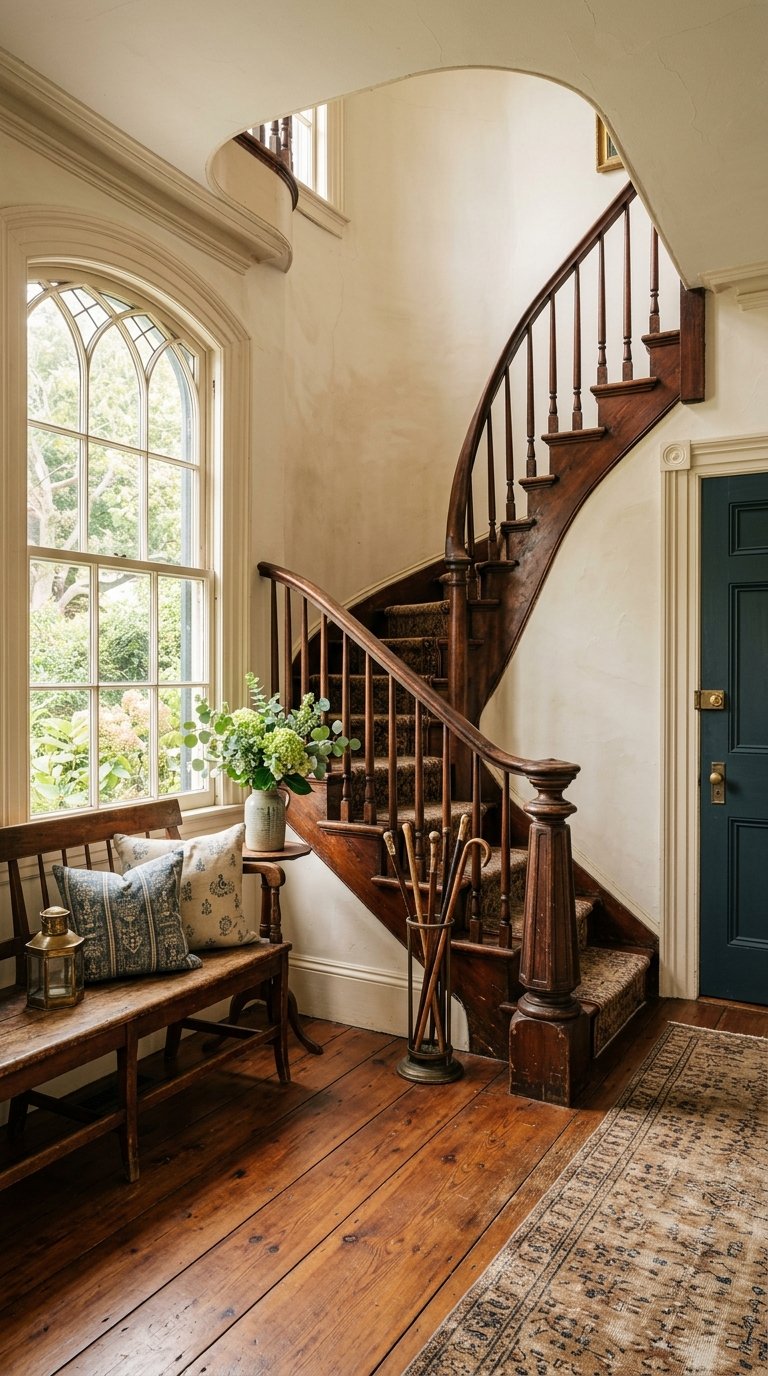
Dreaming about a historic home in downtown Wilmington? It is easy to fall for the porches, tall windows, old-growth details, and one-of-a-kind character. But buying an older home here also means looking closely at historic district rules, inspection needs, flood risk, and future repair costs. If you want the charm without unwanted surprises, this guide will help you know what to check before you buy. Let’s dive in.
Why historic district status matters
One of the first things to confirm is whether the property sits in a local historic district or overlay, a National Register historic district, or both. In Wilmington, those designations are not the same thing, and that difference can affect what you can do to the home later.
According to the City of Wilmington, National Register listing by itself does not place restrictions on a private owner. Local historic district status is what can trigger review by the Historic Preservation Commission for certain exterior changes. That is why checking the exact parcel location on the city zoning map or historic district materials is such an important early step.
Local vs National Register
If a home is only in a National Register district, that alone does not mean exterior work will be reviewed by the city. If the property is inside a local historic district or overlay, exterior changes may require a Certificate of Appropriateness, often called a COA.
This distinction matters because two homes on nearby blocks may have very different approval requirements. Before you make plans for paint, windows, roofing, porch work, or site changes, you will want to verify the property’s status and boundaries.
What styles you may see downtown
Downtown Wilmington includes a wide mix of historic architecture. The city identifies styles such as Georgian and Federal, Greek Revival, Italianate, Second Empire, Queen Anne, Folk Victorian, American Foursquare, Craftsman, Colonial Revival, and Neoclassical Revival.
That variety is part of what makes downtown so appealing. It also means that each home may come with very different maintenance needs and design-review considerations.
Older formal styles
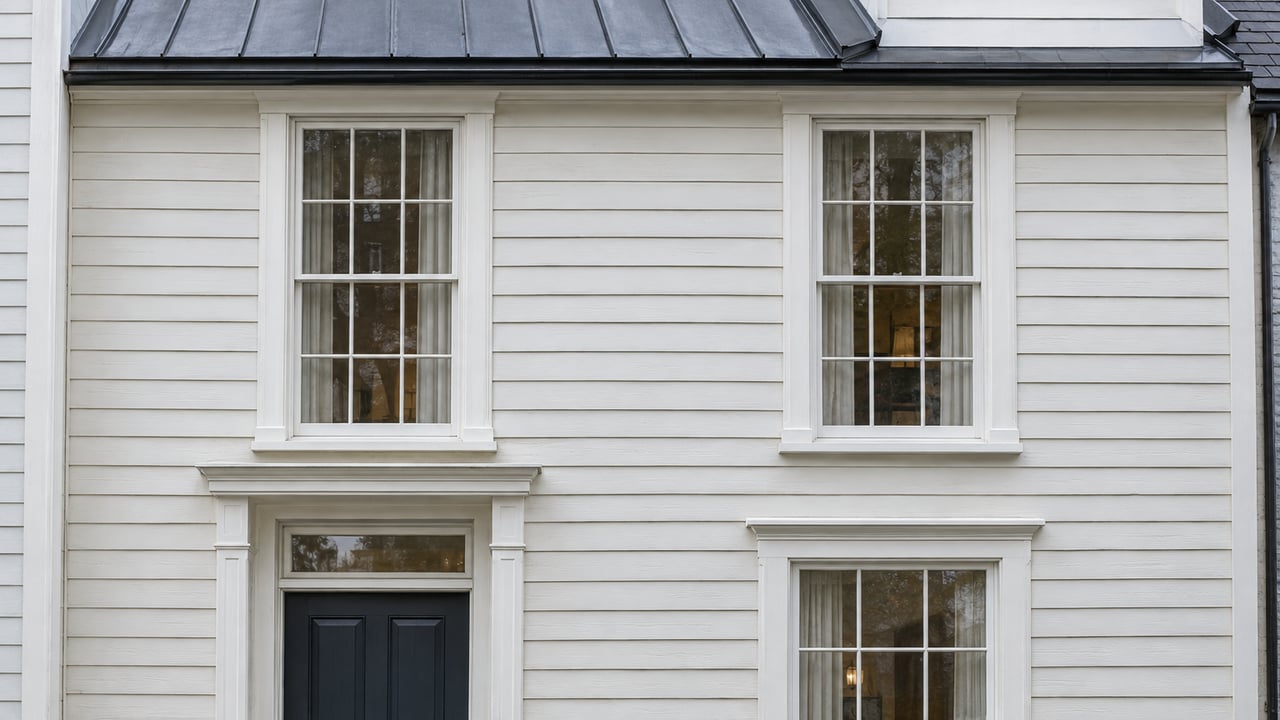
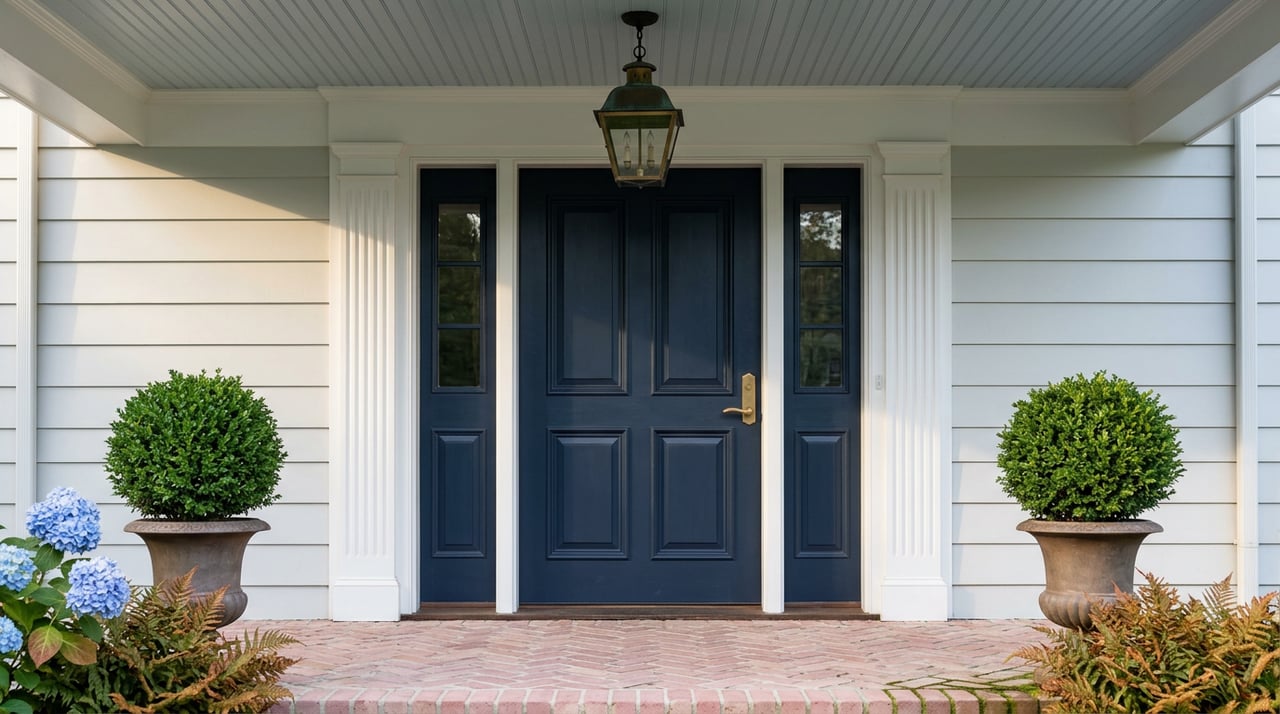
Federal and Greek Revival homes often emphasize symmetry, classical details, transoms, sidelights, pediments, and columns. These homes may also have smaller sash windows and less ornament than later Victorian-era homes.
If you are buying one of these properties, pay attention to original entry details, trim, and window patterns. Those features are often central to the home’s historic appearance.
Victorian-era details
Italianate and Second Empire homes often include bracketed eaves, decorative roof trim, window hoods, bay windows, and in Second Empire examples, mansard roofs. The city notes that Italianate was Wilmington’s preeminent 19th-century style.
Queen Anne and Folk Victorian homes tend to be more asymmetrical, with porches, spindlework, decorative shingles, and ornate brackets. These details are beautiful, but they can also mean more upkeep over time.
Early 20th-century homes
American Foursquare, Craftsman, Colonial Revival, and Neoclassical Revival homes usually have more regular massing, porches, gables or low-pitched roofs, and tapered or classical columns. Many buyers find these homes offer a balance of historic character and somewhat simpler forms.
No matter the style, the exterior elements the city reviews most closely often include roofs, porches, windows, trim, masonry, signs, and site work. If you already know you want to renovate, those are smart places to focus early.
What to inspect before you buy
A standard home inspection is important for any purchase, but older downtown Wilmington homes usually need extra due diligence. Historic charm can hide expensive issues, especially in a coastal environment.
The goal is not to be scared off. It is to understand the home clearly so you can budget, negotiate, and plan with confidence.
Termites and moisture
In North Carolina, a wood-destroying insect report is issued for almost every residential sale. The state says this report is meant to identify visible evidence of wood-destroying insects and conditions that may be conducive to subterranean termites.
It is important to know what that report does not do. It is not a structural damage report, and it does not cover issues like roof leaks, plumbing problems, or electrical defects. Those concerns should be evaluated by the appropriate contractor or engineer when needed.
Moisture is especially important in older coastal homes. NC State Extension notes that subterranean termites are the most common termites in North Carolina, and the state guide flags direct soil contact and excessively wet wood in crawl spaces as conditions that can contribute to termite risk.
Lead-based paint and asbestos
If the home was built before 1978, the federal lead-based paint disclosure rule applies. Sellers, landlords, real estate agents, and property managers must disclose known lead-based paint information before a sale or lease, provide the required EPA pamphlet, and give buyers a 10-day opportunity for a paint inspection or risk assessment.
If you are considering renovations, it is also wise to think about asbestos. If old flooring, insulation, pipe wrap, or similar materials may be disturbed, those materials should be treated as suspect until tested.
Flood maps and insurance
Flood risk should be part of your review from the very beginning. New Hanover County advises property owners to review county, state, and FEMA flood maps, and notes that more than 20 percent of flood claims come from properties outside the high-risk flood zone.
FEMA guidance also states that standard homeowner policies typically do not cover flood damage. For government-backed mortgages, flood insurance is mandatory in high-risk zones.
How approvals can affect your plans
If you are buying a historic home with plans to update the exterior, timing matters. In Wilmington’s local historic districts and overlays, a COA is required for exterior alterations so the city can determine whether the changes are compatible with the district’s character.
That process can affect both your budget and your renovation timeline. It is better to know the rules before closing than to learn them after you already own the property.
What may need review
Routine repair and maintenance, or identical replacement of materials and features, generally does not require review. But if you want to change the material, design, or color, review may be required.
Roof work is specifically called out by the city. The review is intended to ensure that appropriate identical materials are used when required.
Minor and major work
Some smaller changes may qualify for administrative bypass approval. Larger projects go before the Historic Preservation Commission.
The city says major-works applications are accepted monthly, usually about 30 days before the meeting deadline. The city also warns that work completed without an approved COA may have to be reversed and can lead to civil penalties.
Permits are separate
Historic approval is not the same thing as a building permit. The City of Wilmington states that building permits are required for construction, demolition, alterations, remodeling, expansions, and similar work, and New Hanover County issues building permits for projects within Wilmington city limits.
If tree removal is part of your plans, that can require both a tree removal permit and a COA in a historic district. For many buyers, this is a good reminder that even smaller outdoor changes can involve more than one approval step.
Budgeting for the real cost of ownership
The purchase price is only part of the story with a historic home. Older downtown properties can come with higher maintenance, inspection, and compliance costs, especially if future exterior work is part of your plan.
A helpful way to think about the budget is to separate the romance from the systems and features that usually cost the most to maintain. That often means looking closely at the roof, porches, windows, siding, crawl-space moisture control, flood insurance, and any exterior changes you hope to make later.
Tax credit expectations
Some buyers assume a historic home automatically comes with rehabilitation tax credits. That is not always the case.
According to the National Park Service, federal historic rehabilitation tax credits are available only for income-producing buildings. Owner-occupied residences do not qualify.
A smart buying checklist
If you are serious about buying a historic home in downtown Wilmington, keep your due diligence focused on the items most likely to affect cost and usability.
Here is a practical checklist to guide your next steps:
- Confirm whether the property is in a local historic district, overlay, National Register district, or a combination
- Verify parcel boundaries on the city zoning map or historic district materials
- Review the home’s architectural style and note key exterior features
- Schedule a full home inspection
- Review the wood-destroying insect report carefully
- Ask follow-up questions about moisture, crawl spaces, roofing, plumbing, and electrical systems
- Review flood maps early and understand possible flood insurance needs
- Confirm lead-based paint disclosures if the home was built before 1978
- Consider testing suspect materials before planning renovations that could disturb them
- Ask about future COA requirements for any exterior changes you may want to make
- Budget for ongoing maintenance, not just the purchase price
Why local guidance makes a difference
Historic homes are rarely simple, and that is part of their appeal. Each property has its own mix of charm, condition, rules, and future costs.
When you have local guidance, it is easier to spot the difference between a manageable project and an expensive surprise. That kind of clarity can help you move forward with confidence, whether you are looking for a primary home, second home, or investment property in the Wilmington-to-coast corridor.
If you are considering a historic home in downtown Wilmington and want a clear, local perspective before you buy, connect with Joel Sheesley for thoughtful guidance on the property, the process, and the market.
FAQs
What should you know about local historic districts in downtown Wilmington?
- In downtown Wilmington, local historic district or overlay status can require city review for exterior changes, while National Register listing by itself does not automatically place restrictions on a private owner.
What inspections matter when buying a historic home in Wilmington?
- In addition to a standard home inspection, you should review the wood-destroying insect report, look closely at moisture and crawl-space conditions, and follow up on roofing, plumbing, electrical, and structural concerns with the right specialists when needed.
What does a Wilmington COA cover for a historic home?
- A Certificate of Appropriateness may be required for exterior alterations in local historic districts and overlays, especially when you change materials, design, or color rather than making identical repairs.
What should buyers know about flood risk in downtown Wilmington?
- Buyers should review county, state, and FEMA flood maps early, because flood risk is not limited to high-risk zones and standard homeowner insurance typically does not cover flood damage.
Do owner-occupied historic homes in Wilmington qualify for federal rehabilitation tax credits?
- No. Federal historic rehabilitation tax credits are available for income-producing buildings, not owner-occupied residences.