Are you picturing morning walks on the Carolina Beach boardwalk but unsure if a condo or a house fits your lifestyle? You’re not alone. Many buyers weigh convenience and beach access against space, control, and long‑term costs. In this guide, you’ll learn how both options stack up in Carolina Beach so you can choose with confidence. Let’s dive in.
Carolina Beach living at a glance
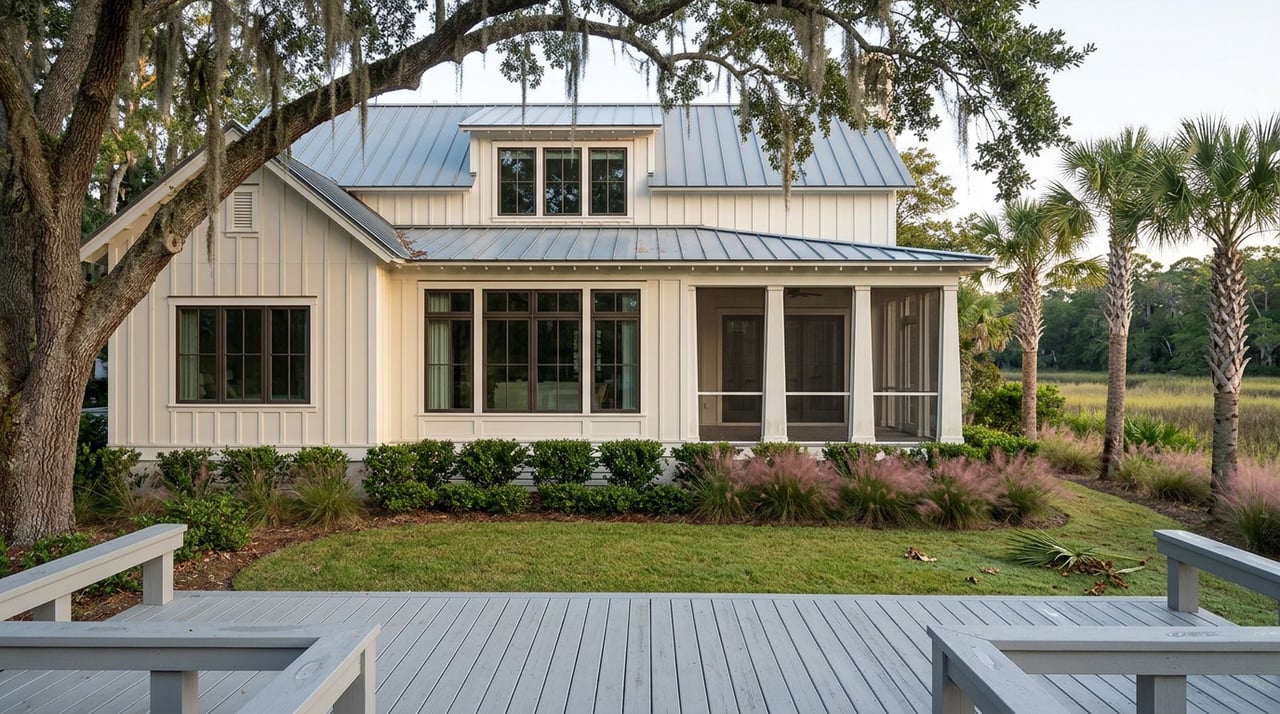
Carolina Beach offers a mix of oceanfront and near‑beach condos, older cottages near the boardwalk, and inland single‑family neighborhoods. Condos cluster closer to the ocean, boardwalk, and mid‑town. Single‑family homes are more common inland and along residential streets.
Because this is a coastal market, you should factor in flood risk, storm surge, wind exposure, and insurance for both property types. Your decision comes down to total cost of ownership, maintenance, parking and beach access, rental flexibility, and long‑term resilience.
Total cost of ownership in Carolina Beach
Upfront price and financing
Purchase price is only part of the story. If you buy a condo, your lender may require the building to meet project eligibility standards. Some programs ask for higher down payments or additional documentation. Check condo project approval with your lender early so you understand your options and timelines.
For both condos and houses, mortgage rates are typically similar, but PMI and underwriting rules can differ for condos. Build a clear financing plan before you fall in love with a specific property.
Monthly fees, taxes, and utilities
HOA fees are a key factor for condos. Dues often cover exterior maintenance, roof, elevators, common utilities, trash, and master insurance on the structure. Coastal condos can have higher dues to fund building systems and reserves.
With houses, you pay most costs directly, including all utilities and exterior upkeep. Property taxes are assessed by New Hanover County. For current rates and parcel records, confirm details with county resources available through the New Hanover County site.
Insurance you cannot ignore
Insurance is one of the biggest swing factors near the coast. In a single‑family home, you typically insure the entire structure and your contents. In a condo, you insure the interior of your unit with an HO‑6 policy while the HOA master policy covers common elements. Always request the HOA master policy to understand what it covers and where you may need additional coverage.
Flood insurance is often required if the property sits in a mapped flood zone. You can look up a property’s flood zone at the FEMA Flood Map Service Center. Wind and hurricane coverage can also be a separate or specialized policy in coastal areas. For guidance on availability and cost factors in North Carolina, consult the North Carolina Department of Insurance.
Reserves and special assessments
Condo owners should review the association’s budget, reserve study, and meeting minutes for the past few years. After major storms or if reserves are underfunded, HOAs may levy special assessments to cover big repairs. Ask about any history of assessments and the current reserve balance.
If you buy a single‑family home, you control the timing and quality of repairs, but you also shoulder all exterior costs. Roofs, siding, decks, and storm repairs can be significant. Build an annual maintenance budget and set aside a capital reserve to smooth out surprises.
A practical cost framework
Create a five‑year total cost worksheet for each property you compare. Include:
- Mortgage payments and PMI if applicable
- HOA dues and any known assessments
- Property taxes
- Insurance for home and flood, plus wind coverage if separate
- Utilities and internet
- Routine maintenance
- An annual allowance for capital repairs or reserves
This approach gives you an apples‑to‑apples view of a condo’s predictable dues versus a house’s variable upkeep.
Maintenance, parking, and beach access
Day‑to‑day upkeep
Condos reduce hands‑on maintenance. HOAs usually handle exterior elements like roofs, siding, elevators, and common utilities. You handle the interior, including appliances and finishes. The tradeoff is less control over project timing and potential for special assessments.
With a house, you manage the lawn, exterior, HVAC, roof, and any coastal features like decks or seawalls. You gain full control over contractors and upgrades, and you can build equity through improvements. You also accept more time commitment and seasonal risk during hurricane season.
Parking realities by property type
Many oceanfront and boardwalk‑area condos offer one assigned space per unit, sometimes with limited guest spots. Older buildings often lack garages. Street parking near the boardwalk can be restricted or metered. If you plan to host guests or renters, deeded parking and clear guest options are important.
Single‑family homes usually provide more on‑site parking with driveways or garages. Even so, street parking rules may apply in areas near the boardwalk. Review town parking guidance if you expect frequent visitors or rental turnover.
Beach access and daily lifestyle
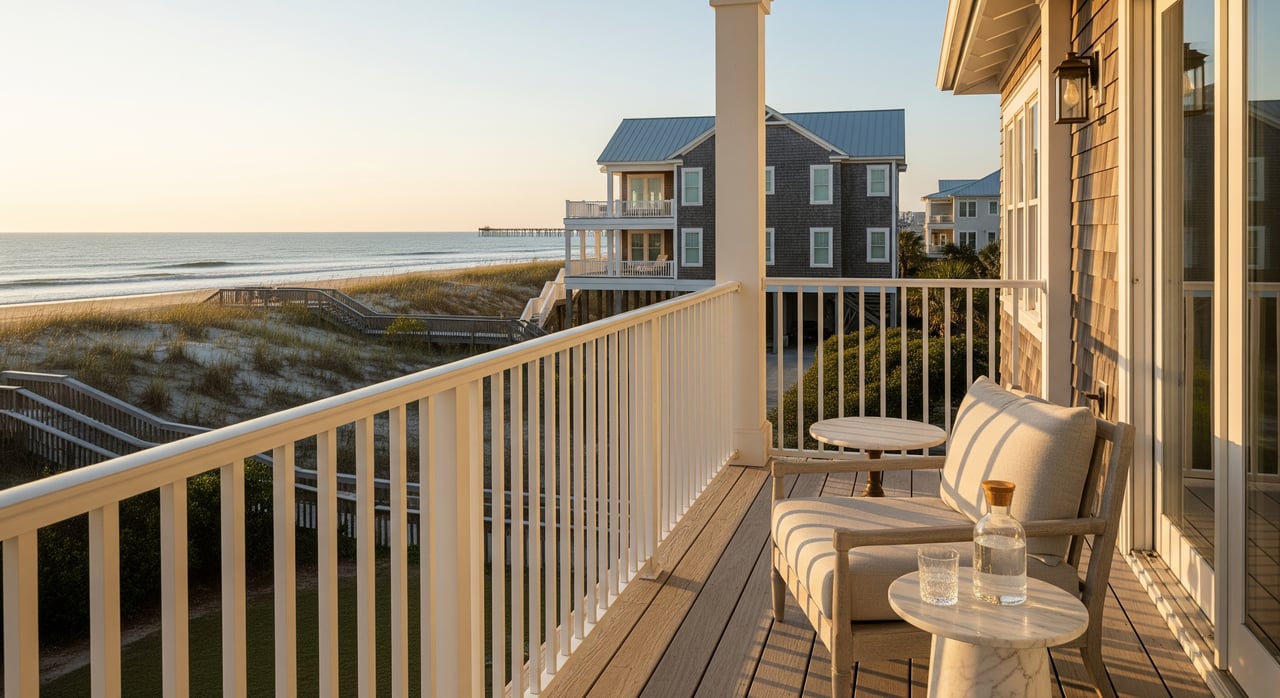
Condos near the ocean often deliver private beach access, easy walkability to restaurants and attractions, and views that renters value. The flip side is potential noise and tourist activity in peak season, plus HOA rules on pets or use of amenities.
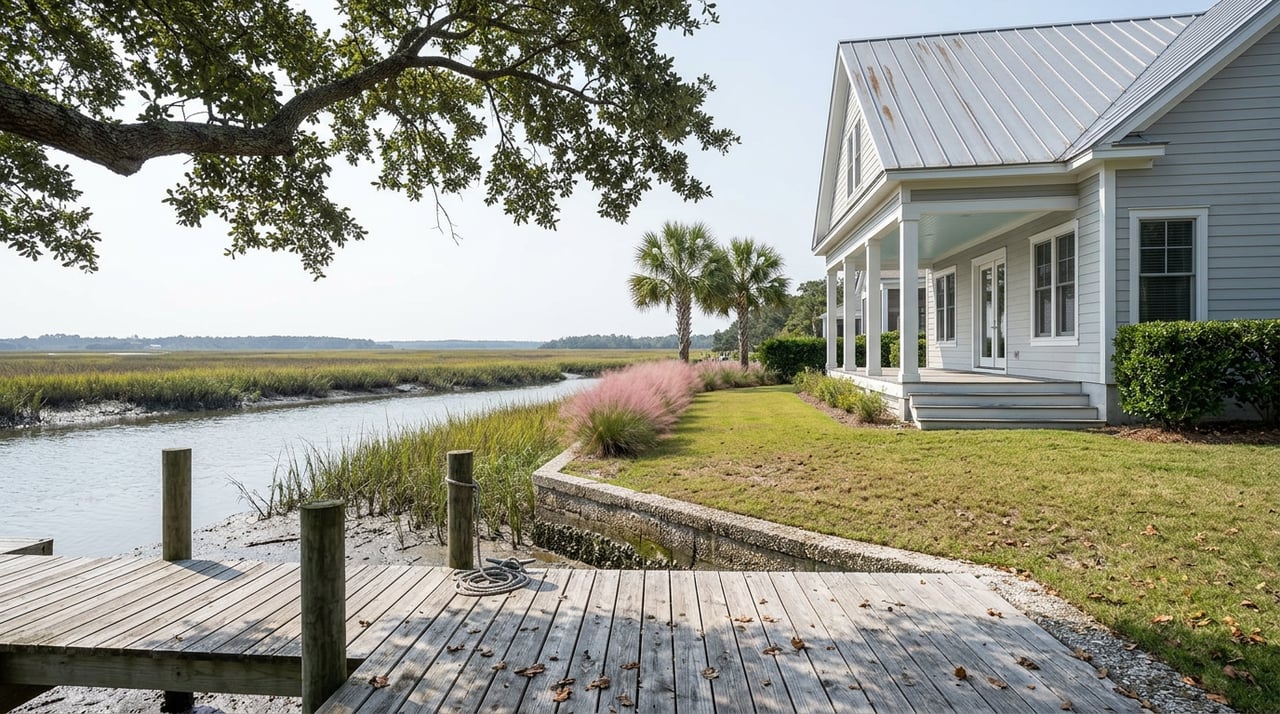
Single‑family homes vary. Some are oceanfront or within a short walk. Others are inland and require a brief drive. You may get more privacy and outdoor space, which many year‑round owners prefer.
Renting your place: rules and revenue
Town and county regulations
Short‑term rentals in Carolina Beach are subject to town rules that can include registration, occupancy and parking standards, and business licensing. These rules can change. Always verify current requirements on the Town of Carolina Beach website or review the municipal code. Hosts also need to comply with county occupancy tax collection and remittance; confirm current procedures with New Hanover County resources.
- Town of Carolina Beach website: official town site
- Municipal code reference: Carolina Beach Code of Ordinances
HOA rules for condos
Condo associations vary. Some allow short‑term rentals, others impose minimum stays, caps, or bans. Even when allowed, you may need to register with the HOA, follow key‑handling rules, and pay added fees. Always request the full HOA packet, including rental policies and any amendments, before you write an offer.
Insurance and compliance for rentals
If you plan to rent, confirm your policy covers short‑term rental use. Some HO‑6 or landlord policies require a specific endorsement or a commercial policy for STR activity. HOA master policies handle liability differently, so read the declarations and ask about deductibles. Keep records for occupancy tax compliance and be ready for any required safety items, such as smoke detectors and posted emergency information.
Seasonal income dynamics
Carolina Beach is a seasonal market. Summer and holiday weekends draw strong demand and higher nightly rates, while off‑season months can see slower bookings. Oceanfront condos near the boardwalk tend to command top demand, but caps on rentals or tight parking can impact net revenue. Single‑family homes may fit larger groups and achieve higher per‑stay totals, balanced by full maintenance and insurance responsibilities.
Decision checklists
Framework A: Low maintenance, walkability, occasional rentals
Choose a condo if you:
- Want easy access to the beach and boardwalk
- Prefer the HOA to handle exterior maintenance
- Accept HOA dues for convenience and amenities
- Intend to rent seasonally and confirm the HOA and town allow it
Framework B: Space, control, and year‑round living
Choose a single‑family home if you:
- Need a yard, garage, or multiple parking spots
- Want full control of upgrades and fewer HOA rules
- Plan to live year‑round and value privacy
- Are prepared for exterior maintenance and potentially higher insurance
Framework C: Investment and income focus
Compare both options if you:
- Aim to maximize summer revenue
- Can analyze STR comps and operating costs
- Will balance HOA restrictions versus larger‑group demand in a house
- Plan for taxes, cleaning, management, insurance, and reserves
Scenarios: Which one fits you best?
Young professional couple
You want minimal maintenance and weekend beach time. An updated one‑ or two‑bedroom condo near the boardwalk may be ideal. Confirm parking for two cars, pet policies, and whether the building’s systems are well funded.
Household that needs space and storage
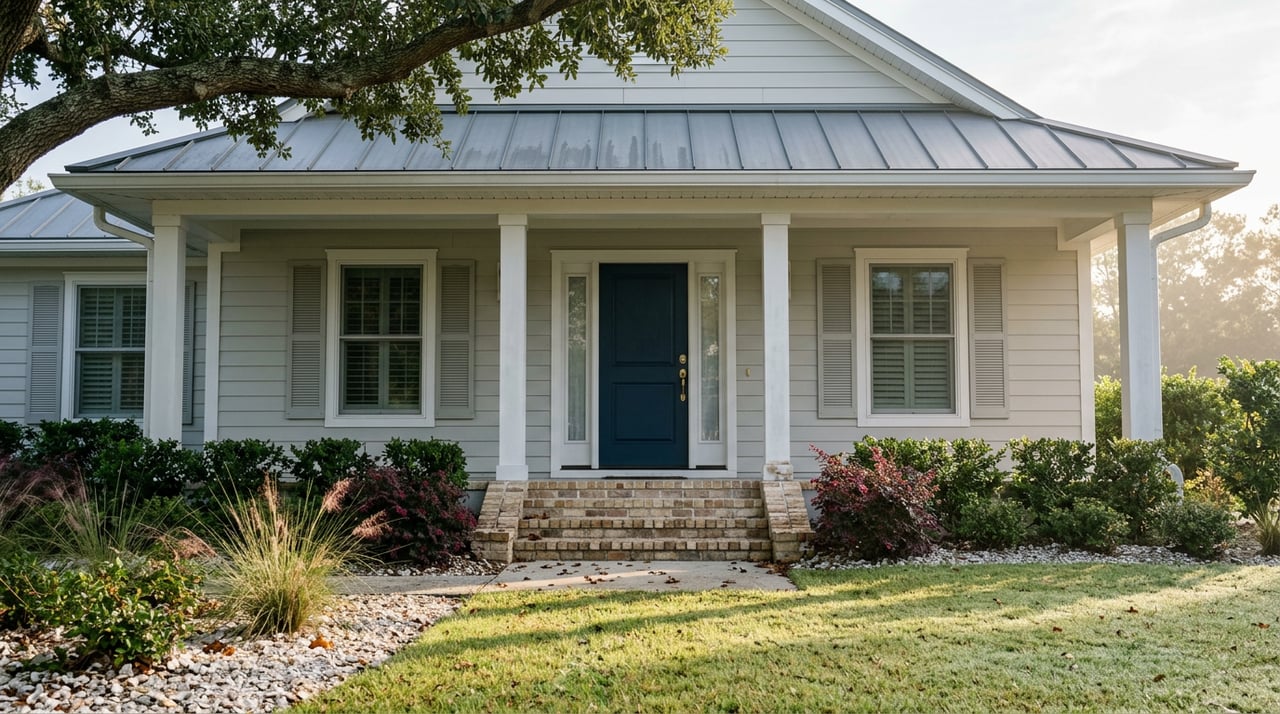
If you need a driveway, garage, and room to spread out, a single‑family home inland might suit you. You’ll likely have easier parking and more privacy. Check the home’s elevation and flood zone, and budget for exterior upkeep.
Investor targeting summer income
You might compare an oceanfront condo with proven demand against a house that hosts larger groups. Look at net returns after HOA dues, management, cleaning, insurance, and taxes. Verify town rules and HOA rental limits before you underwrite revenue.
Retiree seeking convenience
A well‑managed condo can simplify life with elevator access, included exterior care, and secure entry. Review the HOA’s reserve study and master insurance to gauge future assessment risk. Confirm any use rules that matter to your daily routine.
How to compare two properties head to head
- Pull recent comparable sales and rental comps specific to the immediate area and building
- Request HOA documents early for condos: budget, reserve study, insurance declarations, meeting minutes, and rental rules
- Verify flood zone at the FEMA Flood Map Service Center and request an Elevation Certificate if applicable
- Get multiple insurance quotes, including flood and wind; consult the North Carolina Department of Insurance for guidance
- Confirm current STR registration and tax steps with the Town of Carolina Beach and New Hanover County sites
- Align financing with your lender, especially if condo project approval is needed
Resilience and resale factors
In a coastal market, elevation, construction type, and flood zone designation influence both insurance and buyer demand. Oceanfront condos and raised homes can reduce certain flood exposures but may face wind and salt‑air wear. Inland homes may lower flood risk but add a short drive to the beach.
For resale, walkability, view corridors, parking, and documented maintenance matter. Buyers respond well to clear HOA budgets and reserve studies for condos, and to recent major system updates for houses.
The bottom line
The right fit depends on what you value most. If your priority is easy beach access and less day‑to‑day upkeep, a condo near the boardwalk checks the boxes. If you want space, parking, and control, a single‑family home inland can deliver long‑term comfort and flexibility.
When you run a five‑year total cost comparison and verify flood, insurance, parking, and rental rules, the best choice usually reveals itself. If you want a local sounding board and a disciplined process, reach out for a side‑by‑side review tailored to your goals.
Ready to compare real properties and numbers in Carolina Beach? Connect with Joel Sheesley for local guidance and a clear plan.
FAQs
What costs should I compare for a condo versus a house in Carolina Beach?
- Build a five‑year view that includes mortgage, HOA dues, taxes, home and flood insurance, utilities, routine maintenance, and a reserve for capital repairs.
How do I verify if a Carolina Beach property is in a flood zone?
- Look up the address at the FEMA Flood Map Service Center and request an Elevation Certificate from the seller if the home appears in or near a mapped zone.
Where can I confirm current short‑term rental rules in Carolina Beach?
- Check the Town’s website and review the Carolina Beach Code of Ordinances for registration, occupancy, and parking standards.
What insurance policies do I need near the coast?
- Expect homeowners or HO‑6 coverage, flood insurance if required by the lender or advised by risk, and wind coverage depending on the property; see guidance via the North Carolina Department of Insurance.
How do property taxes work for Carolina Beach homes and condos?
- New Hanover County assesses taxes based on the property’s assessed value and local rates; verify current figures through county tax resources on the New Hanover County site.
What should I review in a condo HOA before buying?
- Request the HOA budget, reserve study, meeting minutes, master insurance declarations, and written rental policies to spot reserve strength, assessment risk, and any rental limits.