Dreaming of buying your first home near the water but unsure where to start? Masonboro Sound offers a rare mix of coastal scenery, boating access, and easy connections to Wilmington and nearby beaches. You want the lifestyle without surprises on flood risk, insurance, or permits. This guide gives you clear, local steps to evaluate homes, understand true costs, and move forward with confidence. Let’s dive in.
Masonboro Sound at a glance
Masonboro Sound is the tidal estuary between Wilmington’s mainland and the protected Masonboro Island. The area’s neighborhoods sit along marshes and creeks south of Wilmington, with quick access to downtown, Wrightsville Beach, and Carolina Beach. The island itself is largely preserved, which limits development and helps protect views and recreation.
You will find everything from quiet marshfront streets to suburban pockets just a short drive from the water. Coastal rules, flood considerations, and boating access vary by micro-area, so it pays to understand the differences before you tour.
Where you might live
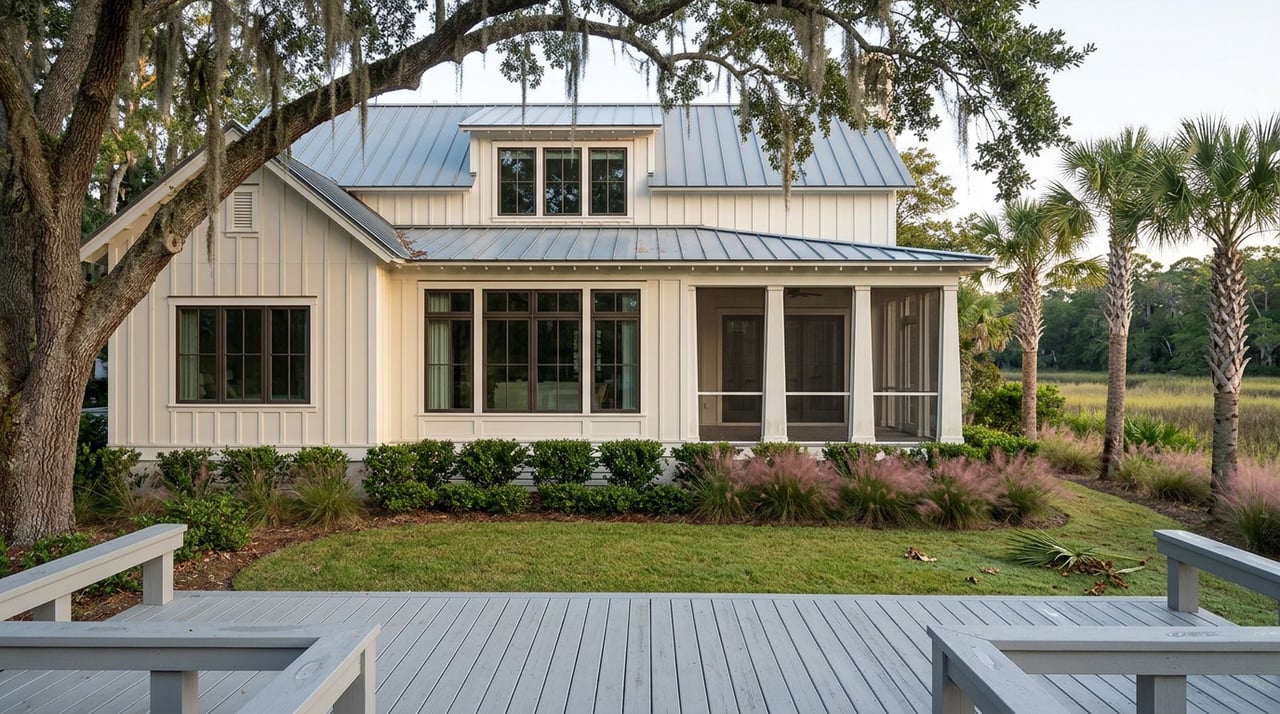
- Mainland marshfront: Larger lots, water views, and a low-density feel. Expect higher maintenance and insurance needs, especially close to the marsh.
- Near-sound suburbs: A short drive to the water with more affordable townhomes or single-family homes. Easier access to shopping and major roads.
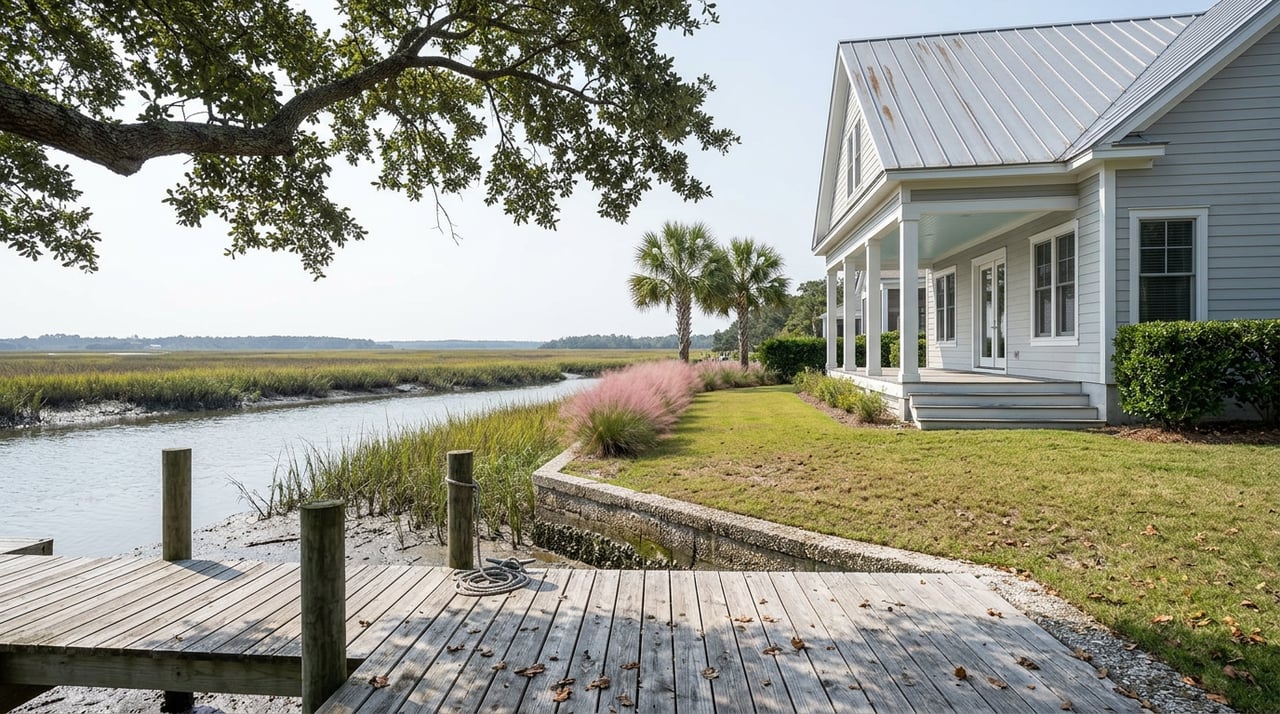
- Dock or canal access: Great for boaters and anglers. Dock ownership adds permitting and upkeep to your budget.
- Close to beaches: Easy access to Wrightsville Beach and launch points. Prices often rise with proximity and tourism-season traffic.
For environmental context and reserve information, review the North Carolina Coastal Reserve resources on Masonboro Island and coastal protections.
Property types and tradeoffs
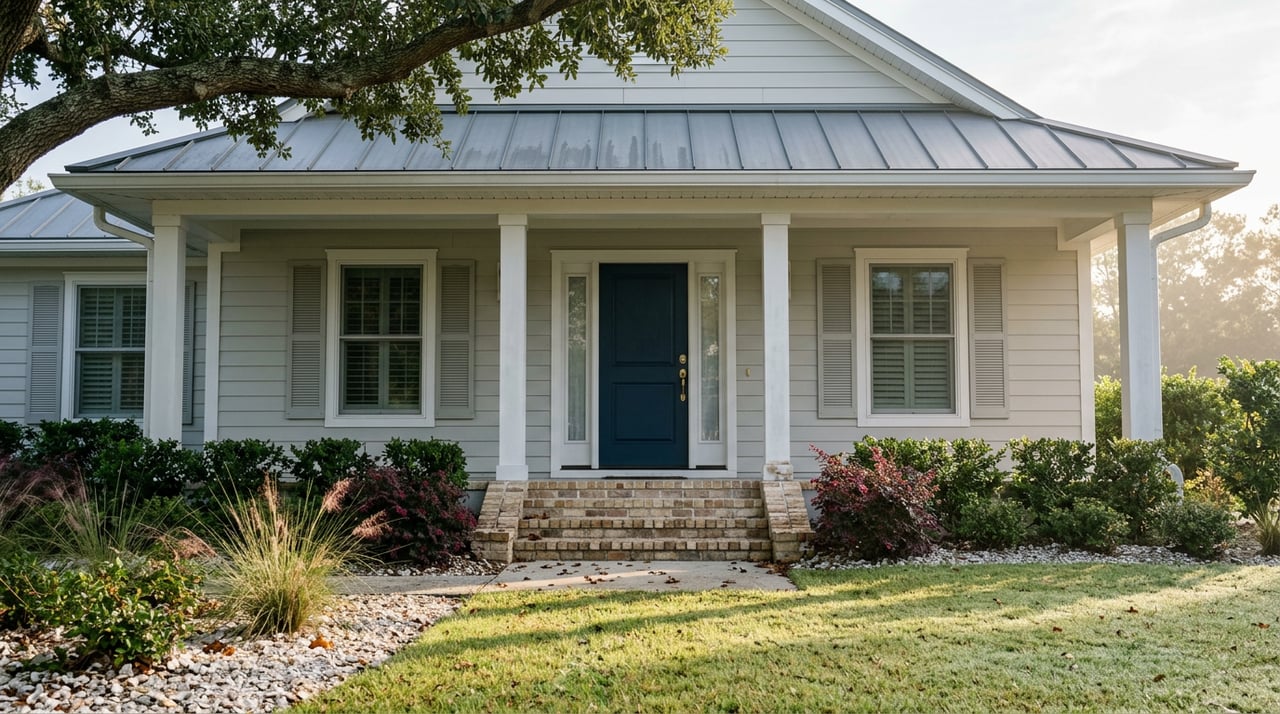
- Single-family homes: The most common option. Smaller inland homes can be good first-time entries, while custom marshfront homes command premiums.
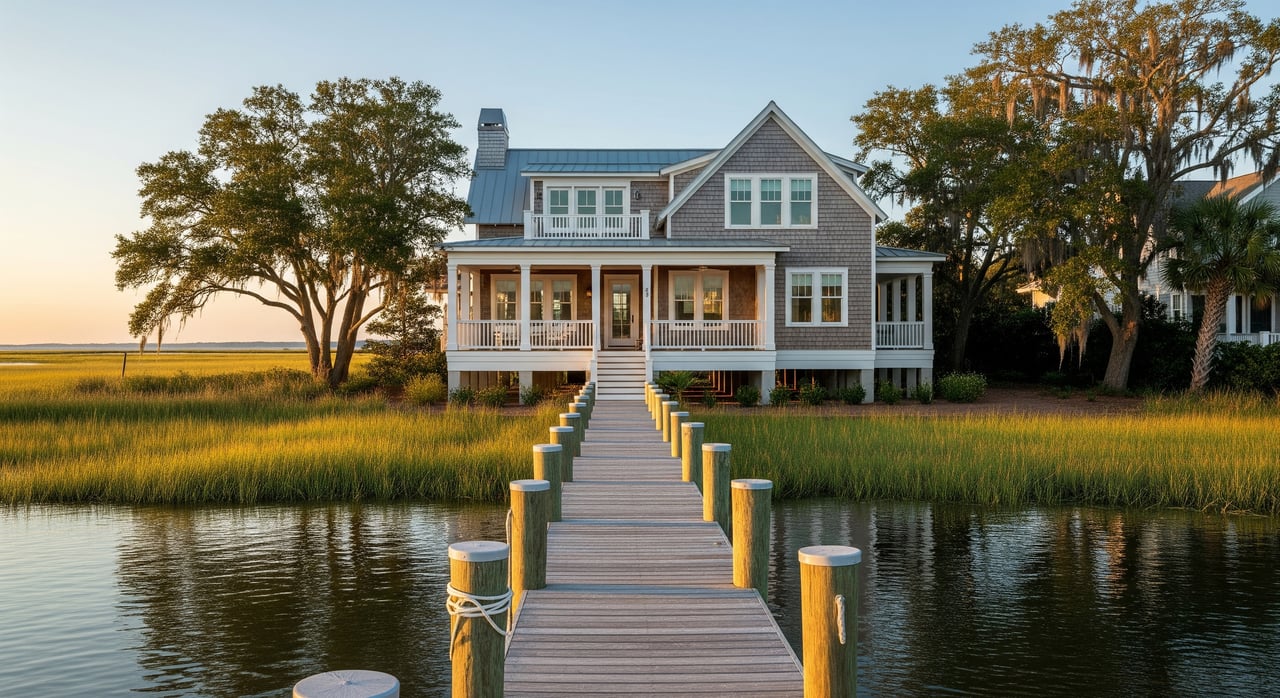
- Marshfront or waterfront: Views and access are the draw. Balance the appeal with potential flood insurance, dock maintenance, and coastal wear.
- Condos and townhomes: Often the lower-maintenance path near Masonboro-area corridors. HOA rules vary, so review them early.
- New construction: Modern floor plans in larger subdivisions around Wilmington. Expect HOA guidelines and coastal construction requirements.
- Older cottages or renovated homes: Character and potential value. Budget for inspection-based repairs tied to salt, wind, or age.
What drives pricing
Coastal proximity is the biggest factor. Entry-level options are typically inland condos, townhomes, or smaller single-family homes. Mid-tier homes sit closer to the sound or offer limited water access. Premium properties include marshfront and waterfront homes or homes near Wrightsville Beach. Avoid relying on broad medians. Instead, compare recent neighborhood sales and ask your agent for a fresh snapshot before you write an offer.
Flood and storm risk
Masonboro Sound is a tidal system, so flood risk varies lot by lot. Some parcels sit in FEMA flood zones that trigger lender requirements for flood insurance. Elevation, distance to water, and building type all matter.
- Look up flood zones by address using the FEMA Flood Map Service Center.
- For long-term planning, view scenarios with the NOAA Sea Level Rise Viewer.
- Ask for an elevation certificate if available, and note the home’s height relative to nearby water.
A property outside a required flood zone can still be vulnerable to storms or tidal events. Consider voluntary flood coverage for peace of mind.
Insurance and true costs
Coastal homes often carry higher homeowner premiums and windstorm deductibles. Flood insurance may be required or recommended. Premiums vary with elevation, age, construction, and claims history. Features like hurricane shutters, impact glass, or reinforced roofs can help manage costs.
- Request seller disclosures for any past flood or storm damage.
- Obtain insurance quotes early in your due diligence period.
- Verify wind and hail coverage and understand deductibles.
For general flood coverage information, review FEMA’s flood insurance resources.
Docks, permits, shoreline work
If a property includes or could add a dock, plan for permits. In coastal North Carolina, docks, piers, bulkheads, and shoreline stabilization usually require approvals from the state, the county, and sometimes the U.S. Army Corps of Engineers.
- Start with the NC Division of Coastal Management for permit rules and timelines.
- Review federal permitting basics with the U.S. Army Corps of Engineers.
Ask whether existing docks or shoreline structures were permitted, when they were last inspected, and who is responsible for maintenance.
Utilities and septic basics
Confirm whether a home is on public sewer or a septic system. Septic systems require routine maintenance and eventual replacement. Some shorefront areas may not be connected to public sewers. For older properties, verify the potable water source and any well records.
New Hanover County’s planning and permitting pages are helpful for utilities, maps, and zoning questions. Start at the New Hanover County website.
HOAs, zoning, and rules
Some neighborhoods have homeowner associations with covenants, architectural controls, and fees. These can impact exterior changes and dock upgrades. Review setbacks, lot coverage limits, and any protected buffers that could influence future projects.
You can research county-level ordinances and planning resources at the New Hanover County site.
Touring checklist
Use this short list to evaluate coastal details during showings:
- Check the flood zone and look for an elevation certificate if available. Note how the lot sits relative to nearby water.
- If possible, visit or review media from a high tide to see how the marsh or waterline behaves.
- Inspect shoreline, bulkheads, docks, pilings, and any erosion or recent repairs.
- Look for corrosion, rot, roof wear, and gutter or siding condition. Salt speeds up deterioration.
- Walk the lot after rain if you can. Observe drainage patterns and any standing water.
- Confirm sewer vs septic and ask for septic permits and maintenance records if septic.
- Ask about past flood or hurricane claims, current premiums, and any mitigation upgrades.
Before touring, pull flood maps and county resources:
Inspections and due diligence
Hire a home inspector who understands coastal construction. Then add specialized checks if the property is near the water or includes shoreline structures.
- General inspection with a coastal lens on structural connections and moisture intrusion.
- Elevation certificate or survey if not already available.
- Bulkhead or dock inspection by a qualified contractor when applicable.
- Termite or wood-destroying organism inspection.
- Mold or air quality testing if there are moisture concerns.
- Permit history verification with county and state offices.
- Title search to identify easements, riparian access issues, or shared dock rights.
As you gather information, confirm whether any past repairs were permitted and documented.
Financing help in NC
First-time buyers often combine competitive mortgages with down payment help. North Carolina offers programs that may reduce upfront costs for qualified buyers.
- Explore assistance options through the North Carolina Housing Finance Agency.
- Review federal programs and counseling resources at HUD. FHA, VA for eligible veterans, and USDA loans may apply depending on location and eligibility.
Ask your lender to estimate flood and wind coverage in your monthly payment. That helps you compare inland and near-sound options accurately.
Schools and services
Masonboro-area homes are served by New Hanover County Schools. District lines can change, so verify current assignments directly with the district. For enrollment details and updates, visit New Hanover County Schools.
Closing day essentials
- Confirm whether your lender requires flood insurance and finalize quotes early.
- Ensure your homeowner policy covers wind and hail with appropriate deductibles for the coast.
- Review HOA documents, fees, and any known assessments.
- Verify utility prorations and any local improvements that may affect your budget.
A little extra due diligence in coastal markets can save you time and stress later.
Your next step
Buying near Masonboro Sound should feel exciting and informed. You deserve a clear plan for flood, insurance, docks, and neighborhood rules, plus strong negotiation when you are ready to write. If you want a local guide who combines micro-market expertise with a calm, step-by-step approach, connect with Joel Sheesley. Together, you can align your wish list with the right property and move toward closing with confidence.
FAQs
How flood risk works near Masonboro Sound
- Flood exposure varies by lot. Check FEMA flood maps, confirm elevation, and use NOAA’s viewer for longer-term scenarios.
Do first-time buyers need flood insurance here
- If your lender requires it based on the flood zone, you will need a policy. Many coastal buyers choose coverage even when not required.
Can I add a dock to a Masonboro property
- Possibly. Docks and shoreline work usually require state, county, and sometimes federal permits. Start with NC Coastal Management and the U.S. Army Corps of Engineers.
Are utilities and schools reliable in the Masonboro area
- Utilities are generally available, though some lots may use septic. Verify school assignments with New Hanover County Schools.
How much do coastal maintenance and insurance add
- Plan for higher homeowner premiums, potential flood insurance, and faster exterior wear from salt and wind. Get quotes and contractor opinions during due diligence.