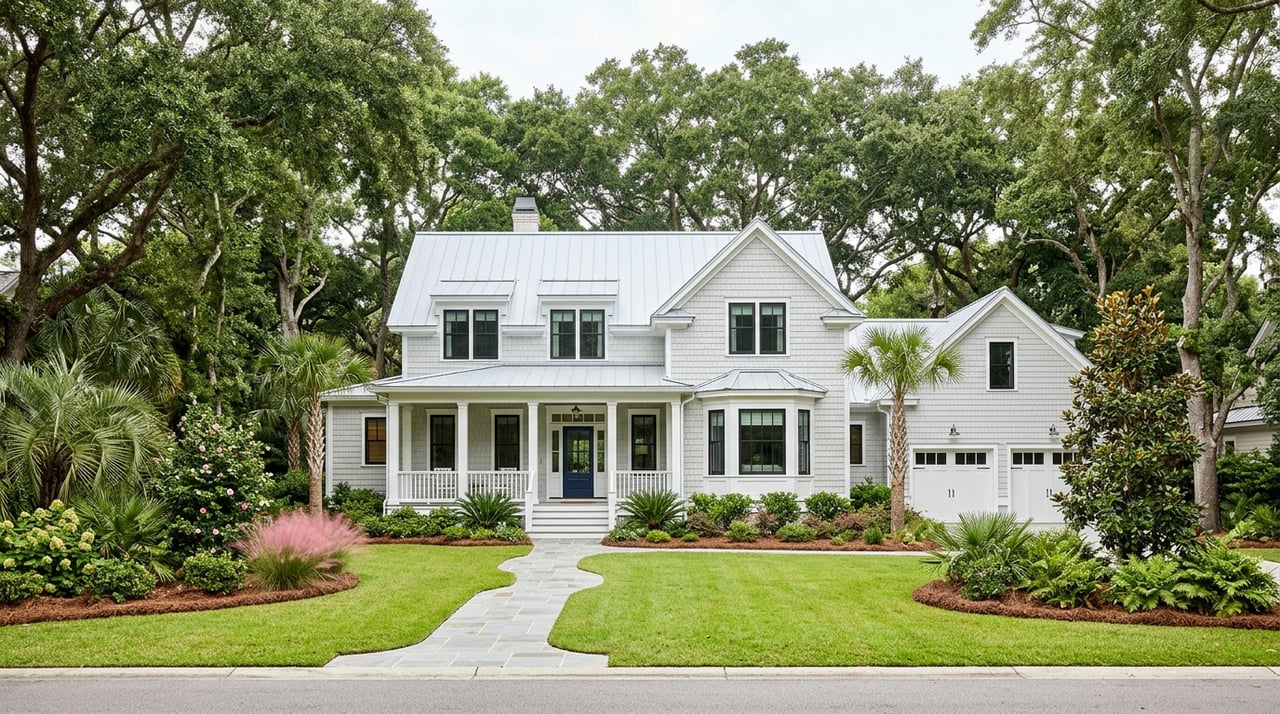
Trying to decide between a brand-new home and a resale in Hampstead? You are not alone. In a fast-growing coastal area like Hampstead, that choice can affect your timeline, budget, inspection strategy, and even the lot you pick. This guide will help you compare both options with local context so you can make a confident move. Let’s dive in.
Why This Choice Matters in Hampstead
Hampstead is not just another suburban market. It sits in a growing part of Pender County, where the population was estimated at 72,111 as of July 1, 2025, up 19.8% from the 2020 Census base. Recent ACS data also show a 72.9% owner-occupied housing rate in Hampstead and a median owner-occupied home value of $402,100, compared with a countywide median of $299,000.
That tells you two important things. First, Hampstead remains a strong owner-occupant market. Second, housing decisions here often involve a higher-value submarket, which makes it even more important to understand risk before you buy.
New Construction in Hampstead
What New Construction Offers
If you want a home that feels tailored to you, new construction can be appealing. Depending on the stage of construction, you may be able to choose finishes, fixtures, and other design elements before the home is complete. That level of control is a big draw for buyers who want a more personalized result.
New construction can also be a fit if you are comfortable with a process that unfolds over time. Builder contracts, site work, utility connections, inspections, and final approvals all happen before closing. If you have flexibility on your move-in date, that extra patience may be worth it.
The Biggest Tradeoffs With New Builds
The main challenge with new construction is timing. In North Carolina, a home generally cannot close until required permits are complete and the Certificate of Occupancy is issued. In real terms, weather, subcontractor schedules, utility work, and permitting can all affect when you actually get the keys.
That uncertainty matters in Hampstead because local infrastructure and site conditions can shape the timeline. Pender County Utilities serves more than 11,000 residents across its water and sewer districts and has added wells and a 500,000-gallon elevated tank in the Scott’s Hill and Hampstead area. The county is also moving through permitting for a proposed membrane water treatment plant in Hampstead, which shows how important utility planning is in this part of the market.
Lot Choice Matters More Than Many Buyers Expect
In Hampstead, the lot can be just as important as the house. Pender County adopted new flood maps in January 2025, and building in the floodplain requires a Flood Development Permit, setback review, and in some coastal areas CAMA review. That can affect lot selection, site preparation costs, and your closing timeline.
Before you commit to a new-build lot, you should confirm:
- Floodplain status
- Setback requirements
- Utility availability
- Whether floodplain permitting applies
- Whether coastal review may apply
- Whether septic or well feasibility needs to be checked
These are not minor details. In a coastal market, they can directly affect what you can build, how long it takes, and what it costs.
New Construction Costs Can Go Beyond the Base Price
A new home’s sticker price rarely tells the whole story. Pender County Utilities lists a 3/4-inch water system development fee of $3,432 and a 3/4-inch tap fee of $1,925, with sewer system development fees also listed by meter size where sewer service is available. Those costs do not include every possible site expense, but they show why buyers should look beyond the advertised price.
You may also need to account for lot premiums, finish upgrades, and site-related work. In other words, the value of new construction is not just about getting a newer home. It is about deciding whether the customization and fresh start are worth the extra variables.
Why Inspections Still Matter on a Brand-New Home
Some buyers assume a new home does not need the same level of review as a resale. That is not the best approach. North Carolina disclosure rules are more limited for some never-occupied new homes, and the disclosure form itself is not a warranty or a substitute for a full inspection.
A Certificate of Occupancy confirms the home was inspected for code compliance during construction, but that does not replace your own independent inspection. Your inspection can help identify workmanship issues, incomplete items, or punch-list concerns before closing.
Resale Homes in Hampstead
What Resale Homes Do Well
If timing matters, resale often gives you a more direct path to occupancy. You can evaluate the home as it actually exists, not as a plan on paper. That means you can assess the lot, drainage, traffic flow, sun exposure, and the overall feel of the property in real time.
Resale also gives you more room to investigate condition during North Carolina’s due diligence process. That due diligence window can include home, pest, and septic inspections, survey work, appraisal, title review, loan qualification, and repair negotiation. For many buyers, that is a major advantage.
Resale Can Offer More Negotiation Leverage
Negotiations often work differently with resale than they do with new construction. On a resale purchase, inspection findings can lead to repair requests, credits, or a decision to walk away if the contract allows it. That makes resale attractive if you want a clearer chance to adjust the deal based on what you uncover.
This can be especially helpful in Hampstead, where lot conditions and below-ground systems can carry real importance. A home may look great at first glance, but the due diligence process helps you verify what is happening behind the walls and under the ground.
The Main Risks With Resale Homes
The biggest concern with resale is hidden condition. Seller disclosures can be helpful, but they are not warranties. That is why inspections remain essential, especially for older homes or homes with additions, renovations, or major system updates.
In Hampstead, permit history is also worth checking. Missing permits or unlicensed work can be material facts in North Carolina. If a property has had major remodels, HVAC replacements, roof work, additions, or similar changes, it is smart to verify that the work was properly permitted.
Septic and Well Issues Can Affect Some Properties
In outlying parts of Hampstead, septic and well questions can become part of the buying decision. Pender County’s On-Site Wastewater Program oversees septic systems and drinking-water wells and performs soil tests to determine septic suitability. That means a property’s surface appearance does not always tell you the full story.
For resale homes in these areas, a careful review of septic condition, well setup, and site suitability can help you avoid expensive surprises later. This is one of the clearest examples of why local due diligence matters in coastal North Carolina.
Comparing Budget and Timeline
Headline Price Is Not the Full Cost
If you are comparing new construction and resale, do not stop at the list price. A new home may come with utility connection and development fees, lot premiums, and a longer wait before occupancy. A resale home may look more affordable at first, but repairs, updates, septic concerns, or permit issues can change the math.
In Hampstead, both options require a careful look at the full acquisition cost. The better value is often the one with fewer surprises for your situation, not simply the lower number on day one.
Property Taxes and District Charges Matter Too
Pender County’s FY 2025-2026 budget lists the county ad valorem tax rate at 73.75 cents per $100 of assessed value, with a countywide EMS rate of 9.25 cents and a Hampstead Fire District rate of 9.5 cents. The county also notes that tax treatment depends on the parcel’s district.
That means your carrying costs can vary depending on where the property sits. When you compare homes, it helps to look at the full monthly ownership picture rather than only your mortgage payment.
A Simple Way to Choose
New Construction May Be Better If You Want:
- More control over finishes and selections
- A newer home with fewer prior-use questions
- Flexibility on move-in timing
- Comfort with builder-driven timelines and contracts
- Willingness to budget for utility and site-related costs
Resale May Be Better If You Want:
- A firmer move-in timeline
- The ability to inspect a finished home in detail
- More negotiation leverage based on condition
- A clearer understanding of how the lot and home function today
- Less uncertainty around construction timing
The Best Choice Depends on Your Risk Tolerance
In Hampstead, this decision is rarely just about whether a home is new or old. Floodplain rules, utility expansion, permitting, and septic or well considerations can affect both paths. The right answer usually comes down to your schedule, your comfort with uncertainty, and how much control you want over the final product.
A good buying strategy starts with matching the property type to your priorities. If you want customization and can tolerate a less certain timeline, new construction may be the better fit. If you want clarity, speed, and condition-based negotiation, resale may give you more confidence.
If you want help comparing specific homes, neighborhoods, or lot conditions in Hampstead, Joel Sheesley can help you weigh the tradeoffs and make a smart local decision.
FAQs
Should you choose new construction or resale in Hampstead if timing matters?
- If your move-in date matters most, resale usually offers a firmer timeline because you can evaluate a completed home and avoid many of the construction and permitting delays that can affect a new build.
What should you check before buying new construction in Hampstead?
- You should check floodplain status, setback requirements, utility availability, possible floodplain permitting, possible coastal review, and whether septic or well feasibility needs to be confirmed for the lot.
Do you need an inspection for a brand-new home in Hampstead?
- Yes. A new home’s Certificate of Occupancy confirms code-related inspections were completed, but it does not replace your own independent inspection for workmanship issues or incomplete items.
What should you review before buying a resale home in Hampstead?
- You should review the seller disclosure, inspect the home carefully, verify permit history for major updates, and use the due diligence period for septic, pest, survey, title, financing, and condition checks.
Is new construction always more expensive than resale in Hampstead?
- Not always. New construction can bring added fees for water, taps, upgrades, and site work, while resale can come with repair, renovation, septic, or permit-related costs that narrow the gap.